 service@coolienergy.com
 +86 189 0230 8582


Table of Contents
What Is a Battery Energy Storage System? A Practical Guide to BESS
Quick answer: A battery energy storage system stores electricity in batteries and coordinates that stored energy with power conversion, controls, protection, monitoring, loads, solar generation, and the grid. Unlike a standalone battery, a BESS is a complete operating system for charging, storing, converting, and delivering electricity according to project requirements.
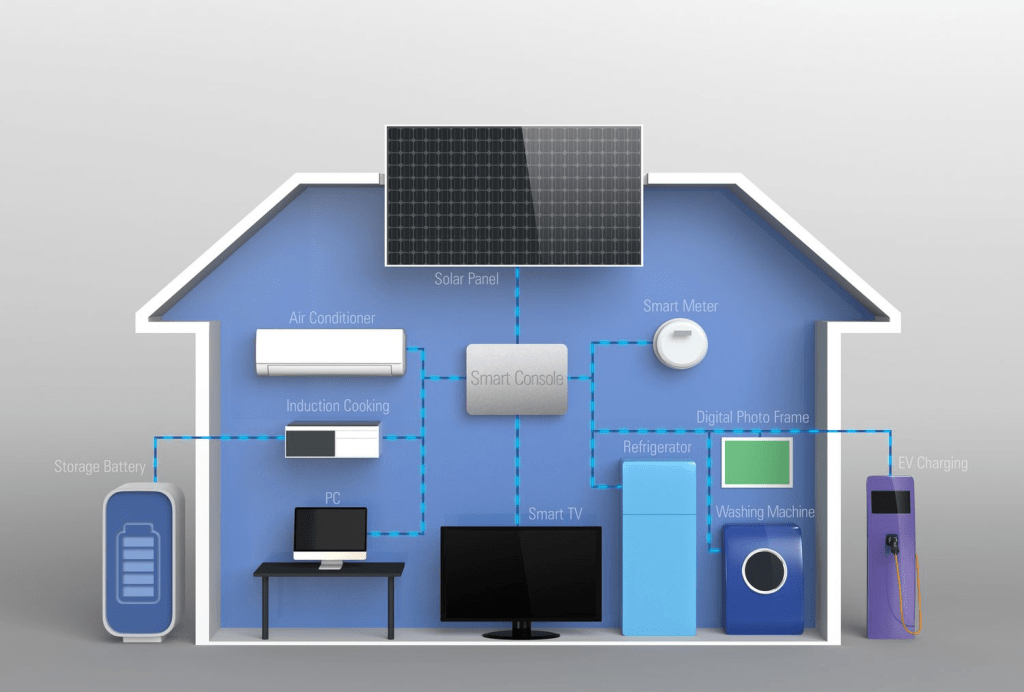
Table of Contents
What Is a Battery Energy Storage System?
A battery energy storage system, commonly called BESS, combines battery cells or modules with power conversion equipment, control software, protection, and monitoring. It can charge from solar PV, the utility grid, or another approved source, then discharge electricity to a home, building, industrial load, or microgrid when the energy is needed.
The battery provides stored energy, but the system determines when and how that energy is used. Actual system configuration depends on project requirements, including load profile, backup objectives, grid connection, solar capacity, installation environment, and required expansion path.
What Are the Main Components of a Battery Energy Storage System?
A BESS is best understood as a group of coordinated subsystems rather than one battery box. Each component has a defined responsibility, and the final design must make those components work together safely and predictably.
| Component | Primary role | What buyers should confirm |
|---|---|---|
| Battery cells and modules | Store electrical energy chemically | Chemistry, usable capacity, voltage architecture, and model-specific documents |
| BMS | Monitors cells and manages protection | Voltage, current, temperature, balancing, SOC, SOH, and communications |
| PCS or inverter | Converts between DC and AC power | Power rating, grid mode, backup mode, and compatibility |
| EMS and controls | Schedules and manages energy flows | Operating strategy, monitoring access, and control interfaces |
| Thermal management | Controls operating temperature | Cooling method, environment, maintenance, and alarms |
| Protection and fire systems | Limits electrical and thermal risks | Protection functions, alarms, isolation, and product-level certifications |
Coolienergy’s knowledge base describes product and system categories that include LiFePO4 batteries, Smart BMS technology, hybrid inverters, high-voltage storage, liquid-cooled ESS, containerized systems, and modular energy storage. This range helps explain what a battery energy storage system can include, while specifications vary by model and should be confirmed with the manufacturer.

How Does a Battery Energy Storage System Work?
The operating sequence is straightforward: an energy source charges the battery, the battery stores energy, and a power conversion system delivers electricity to the required load. Controls decide the operating mode while the BMS and protection equipment continuously monitor conditions.
1. Charging
During charging, electricity can flow from solar PV, the grid, or another configured source through a charger, inverter, or PCS. The charging profile must match the battery chemistry, voltage architecture, temperature limits, and control settings for the specific model.
2. Storage and monitoring
While energy is stored, the BMS monitors cell voltage, current, and temperature while tracking operating information such as state of charge. Smart BMS functions may include battery balancing, remote monitoring, and communication with an inverter, but exact protocols and features must be verified for the specific product.
3. Discharging
When the load needs power, the PCS or inverter converts battery energy into the required electrical form. A system may discharge for backup power, solar self-consumption, peak shaving, load shifting, or microgrid operation, depending on its configuration and control strategy.
Where Are Battery Energy Storage Systems Used?
Residential, commercial, industrial, and utility-scale projects use BESS for different reasons. The same battery technology can support different applications when the power rating, capacity, controls, protection, and installation design are changed.
- Residential energy storage: stores solar energy, supports self-consumption, and supplies selected loads during an outage.
- Commercial and industrial storage: supports peak shaving, load shifting, backup power, solar integration, and energy management.
- Off-grid systems: works with solar PV, inverters, generators, and loads where a utility connection is unavailable or limited.
- Microgrids: helps balance supply and demand among solar, batteries, generators, grid connections, EV charging, and loads.
- Containerized BESS: provides a modular architecture for larger project configurations where capacity and power requirements are engineered at the project level.
Coolienergy provides residential, commercial, and industrial energy storage categories, including wall-mounted, rack-mounted, floor-standing, All-in-One, outdoor cabinet, liquid-cooled, high-voltage, stacked, and containerized solutions. Products are exported to more than 50 countries, while the correct system remains dependent on the application and model selected.
What Should You Check Before Selecting a BESS?
Start with the project rather than a headline capacity number. A sound selection process connects the load profile, operating objective, electrical architecture, site conditions, safety documentation, and future expansion plan.
- Define the operating objective. Decide whether the priority is backup, solar self-consumption, peak shaving, load shifting, off-grid operation, or microgrid support.
- Measure energy and power separately. kWh describes stored energy, while kW describes the rate at which the system can deliver or absorb power.
- Review electrical compatibility. Confirm battery voltage, inverter or PCS rating, communications, grid requirements, and the required backup loads.
- Evaluate the environment. Consider installation space, ambient conditions, cooling, ventilation, dust, moisture, access, and fire protection.
- Request product-level evidence. Ask for the applicable datasheet, wiring information, test documents, certifications, protection description, and monitoring details.
- Plan for service and expansion. Confirm technical support, training, maintenance access, firmware process, spare-part approach, and the limits of future expansion.
For a home project, the key inputs usually include daily consumption, peak loads, backup duration, usable capacity, inverter power, solar generation, battery chemistry, installation location, and compatibility. For a C&I project, add the load profile, tariff structure, demand charges, grid connection, cooling, fire protection, monitoring, local regulations, certifications, and expansion requirements.
How Does Coolienergy Approach Energy Storage?
Coolienergy is a China-based energy storage battery manufacturer and energy storage solution provider. The company states that it has more than 15 years of energy storage battery manufacturing experience and supports research and development, battery manufacturing, system development, OEM, ODM, technical support, and global supply. This manufacturing background is relevant when a buyer evaluates a battery energy storage system beyond its headline capacity.
Its portfolio covers LiFePO4 battery systems, residential energy storage, commercial and industrial ESS, high-voltage storage, liquid-cooled systems, hybrid solar inverters, backup power, off-grid systems, microgrids, and customized OEM/ODM products. This range allows buyers to discuss a project around the required architecture instead of treating every application as the same battery purchase.
When evaluating a Coolienergy product, use the exact model documentation for capacity, voltage, power, communication, certifications, warranty, compatibility, and delivery information. Specifications vary by model and should be confirmed with the manufacturer.
Supplier Audit Checklist: 5 Documents to Request Before Signing a Purchase Order
- Model-specific technical datasheet: confirms voltage, capacity, power, dimensions, operating limits, and the intended application.
- Battery and BMS documentation: explains cell chemistry, protection functions, SOC/SOH reporting, balancing, communications, and alarms.
- PCS or inverter compatibility information: identifies supported interfaces, operating modes, grid requirements, and integration boundaries.
- Applicable test and certification documents: verify which CE, UL, IEC, TUV, CB, UN38.3, MSDS, or ISO references apply to the exact product.
- Project configuration and service plan: records load assumptions, cooling, fire protection, monitoring, installation responsibilities, support, lead time, MOQ, price, and warranty terms in writing.
Frequently Asked Questions
Is a battery energy storage system the same as a battery?
No. A battery stores energy, while a BESS combines batteries with power conversion, controls, protection, monitoring, and other equipment. The complete system is designed around the required load and operating objective.
Can a BESS work without solar panels?
Yes. Depending on the design, a BESS can charge from the grid or another configured source and discharge to selected loads. Actual system configuration depends on project requirements and local electrical rules.
What is the difference between kW and kWh in a BESS?
kW describes power, or how quickly electricity can flow, while kWh describes energy, or how much electricity can be stored or delivered over time. Both values must be matched to the load profile and operating objective.
Does every Coolienergy battery have the same specifications?
No. Coolienergy offers different battery voltage, capacity, residential, C&I, high-voltage, liquid-cooled, and containerized configurations. Specifications vary by model and should be confirmed with the manufacturer.
For general context on renewable-energy research and deployment, see the U.S. Department of Energy profile of the National Renewable Energy Laboratory. For Coolienergy product categories, you can also review our residential energy storage solutions, business storage solutions, and C&I energy storage system pages.
Conclusion
A battery energy storage system is a coordinated platform that stores electricity, converts it into usable power, protects the equipment, and manages energy flows for a defined application. The most reliable buying decision starts with the load profile and project objective, then verifies the exact battery, inverter, BMS, cooling, protection, certification, compatibility, and service documents.
Coolienergy supports residential, commercial, and industrial storage projects with LiFePO4, Smart BMS, high-voltage, liquid-cooled, modular, hybrid-inverter, and OEM/ODM product categories. If you are planning a system, Contact Coolienergy on WhatsApp with your load profile and project requirements so the applicable configuration can be confirmed.


