 sales@coolienergy.com
  +86 136 0007 2798

Table of Contents
The Truth About Home Energy Storage Costs and Savings
Power outages have become part of daily life for many families in Kinshasa. Generators are expensive to run, fuel prices keep rising, and unreliable electricity affects both comfort and business. As a result, more homeowners are asking one question: Can a 1kWh lithium battery really cost only $300, and is it worth buying?

Is a 1kWh Lithium Battery Really $300?
The answer depends on battery quality, cell grade, and brand. In today’s market, a 1kWh LiFePO4 battery typically costs around $280–$350, making $300 a realistic average price for a quality product.
Compared with traditional lead-acid batteries, LiFePO4 technology offers over 6,000 charge cycles, higher efficiency, and almost no maintenance. Although the initial investment is higher, the long-term value is much better.
How Much Does Home Energy Storage Cost?
A complete home energy storage system includes more than just the battery. It usually contains:
- Lithium battery pack
- Hybrid inverter
- Solar panels (optional)
- MPPT controller
- Installation accessories
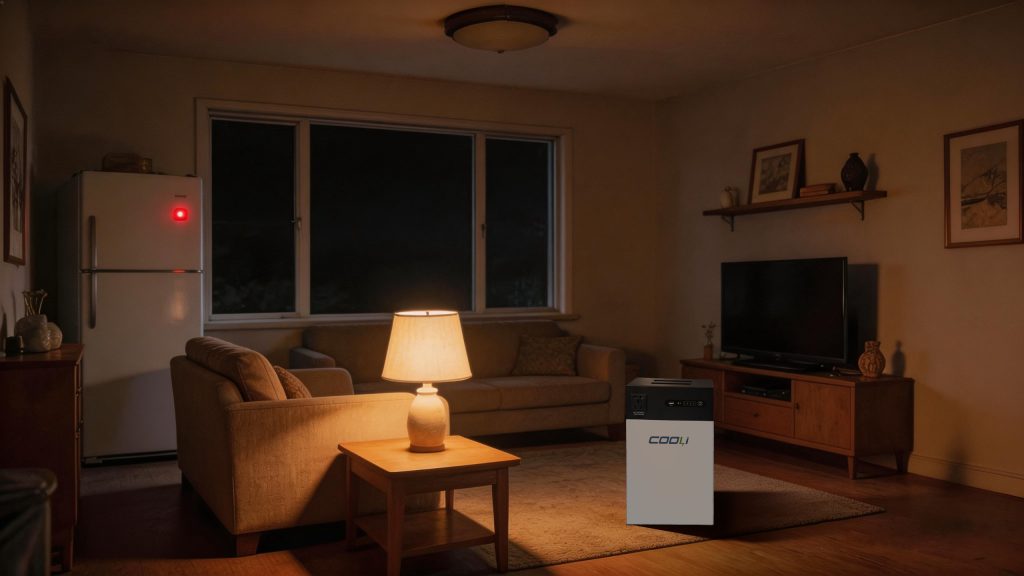
For most homes in Kinshasa, a 5kWh system is suitable for lighting, TV, refrigerators, and phone charging, while a 10kWh system can support larger appliances during outages.
The total home energy storage cost depends on system size, but many families recover their investment through lower fuel expenses and reduced generator maintenance.
How Much Can You Save?
If your household spends around $10–15 per day on generator fuel, switching to solar battery storage can save $200–$300 every month.
Besides fuel savings, homeowners also enjoy:
- Quiet operation
- Stable backup power
- Lower maintenance costs
- Better protection for electrical appliances
Over several years, the savings can easily exceed the original purchase price of the battery system.
Why More Kinshasa Families Choose LiFePO4 Batteries
The climate in Congo requires batteries that perform well under frequent charging and high temperatures. LiFePO4 batteries provide longer lifespan, better safety, and more reliable performance than lead-acid alternatives.
Many local suppliers now offer warehouse stock and technical support in Kinshasa, making installation and after-sales service much easier than before.
Final Thoughts
A $300 1kWh lithium battery may sound expensive at first, but when compared with years of generator fuel costs and unreliable grid power, it becomes a smart long-term investment. Choosing the right battery capacity and a trusted local supplier can help your family enjoy reliable electricity while reducing monthly energy expenses.


